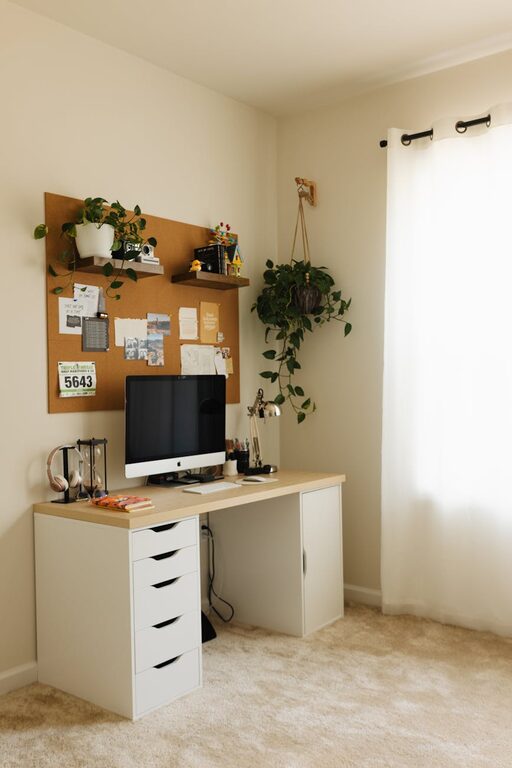
Creating a home office that feels both cozy and functional is essential for staying productive and comfortable throughout your workday. Whether you’re working remotely full-time or occasionally need a quiet corner to focus on tasks, a well-designed workspace can significantly improve your daily routine. Here are some helpful tips to design a home office space that balances comfort with efficiency.
Choose the Right Location
Finding the perfect spot in your home for your office is the first step in creating a functional workspace. Ideally, select a quiet area with minimal distractions. If possible, opt for a room with natural light, as this can boost your mood and energy levels. For smaller apartments or homes, consider converting a corner of a living room or bedroom into a designated work zone using partitions or room dividers to create some separation.
Invest in Comfortable and Supportive Furniture
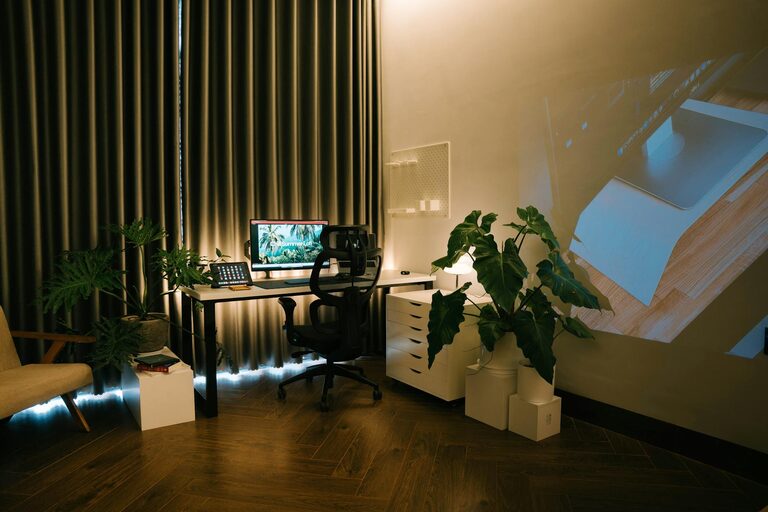
A cozy home office starts with good furniture. Choose an ergonomic office chair that supports your back and promotes good posture, which can help prevent discomfort during long hours. Pair it with a desk that fits your needs — the surface should be large enough for your computer, paperwork, and any other tools you regularly use. Adjustable desks or standing desk options can add flexibility and encourage movement during the day.
Pay Attention to Lighting
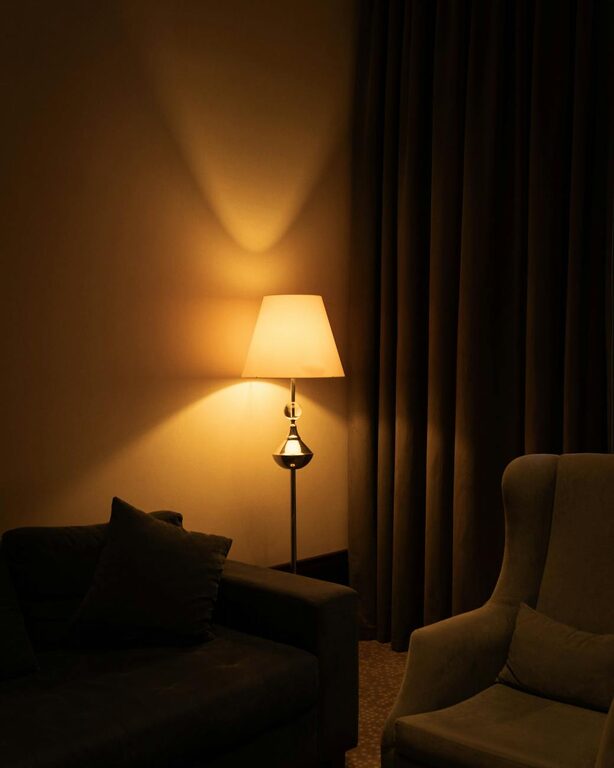
Lighting is crucial in any workspace. Besides natural light, incorporate different types of lighting to reduce eye strain and create a pleasant atmosphere. A combination of ambient, task, and accent lighting works well. For example, use a desk lamp with adjustable brightness for focused work, and softer lamps or wall lights to add warmth to the room. Avoid harsh overhead lighting that can create glare on screens.
Organize for Efficiency
Clutter can quickly make even the most beautiful space feel overwhelming. To maintain both coziness and functionality, invest in smart storage solutions. Shelves, filing cabinets, or storage boxes can keep your documents and office supplies tidy. Consider desk organizers to separate frequently used items. A clean and organized desk helps reduce stress and allows you to focus better on your tasks.
Add Personal Touches
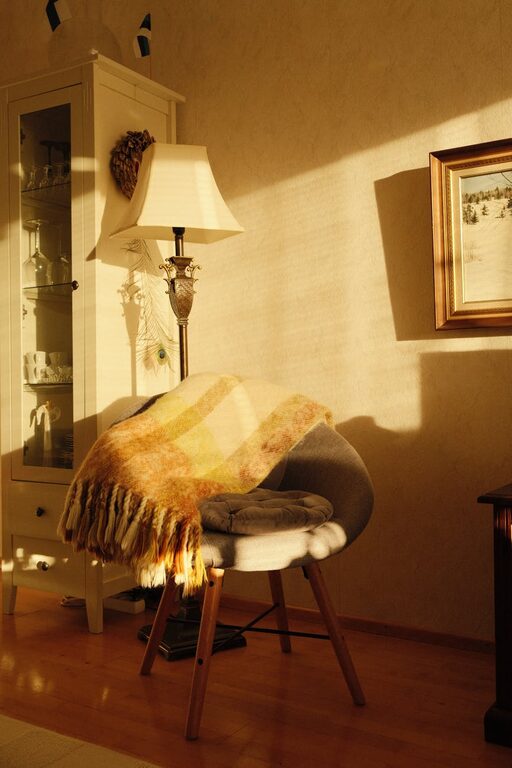
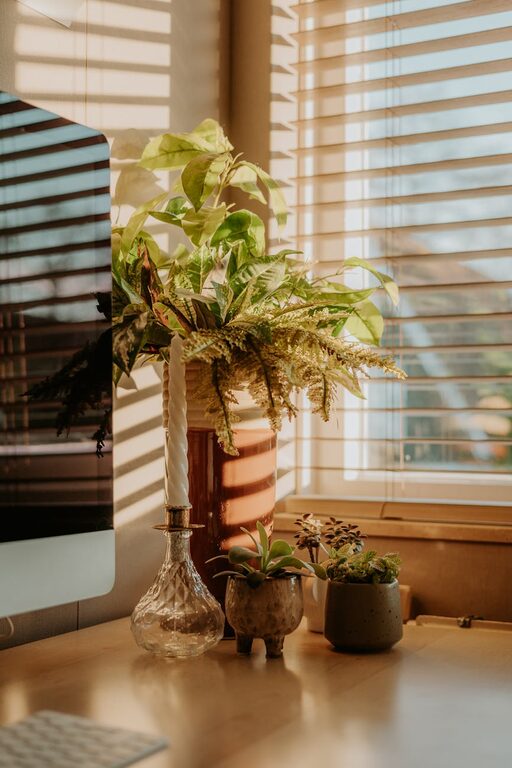
Personalizing your office can make the space more inviting and motivating. Incorporate artwork, photos, or plants that make you feel relaxed and inspired. Plants, in particular, can improve air quality while adding a touch of nature. However, be mindful not to overcrowd the room—keep personal items balanced with the need for a distraction-free environment.
Use Color Wisely
Colors influence mood and productivity. Soft, neutral tones such as light blues, greens, or beiges create a calming backdrop, while brighter accents can add energy to the room. You might choose a statement wall in a favorite color or add colourful accessories like cushions or rugs to liven up the space without overwhelming it.
Manage Noise Levels
If your home office is in a noisy part of the house or street, consider ways to minimize distractions. Noise-canceling headphones are a popular choice for blocking out sounds while focusing. You can also add textiles like rugs, curtains, and cushions that absorb sound, helping to reduce echoes and create a quieter environment.
Keep Technology in Mind
A cozy and functional home office depends on reliable technology. Ensure you have a strong internet connection, adequate charging points, and a setup that suits your workflow. Cable management tools can keep wires neat and prevent tripping hazards. Position your monitor to avoid glare and invest in ergonomic accessories like keyboards and mice.
Establish a Routine and Boundaries
Even the best office setup benefits from clear routines and boundaries. Designate specific work hours and take regular breaks to avoid burnout. Communicate your schedule to family members or housemates to minimize interruptions. When your workday ends, try to physically step away from your home office, helping you separate work from personal time and maintaining your well-being.
Final Thoughts
Creating a home office that feels both cozy and functional is about balancing comfort with practicality. Thoughtful furniture choices, good lighting, smart organization, and personal touches can help you design a space where you enjoy working and stay productive. Remember that your home office should serve your needs, so feel free to adapt these tips to suit your lifestyle and preferences. With the right approach, your home office can become one of the most enjoyable and efficient spaces in your home.
About the Author